Vacuum Storage Bags vs. Canvas Bins for Linen Storage
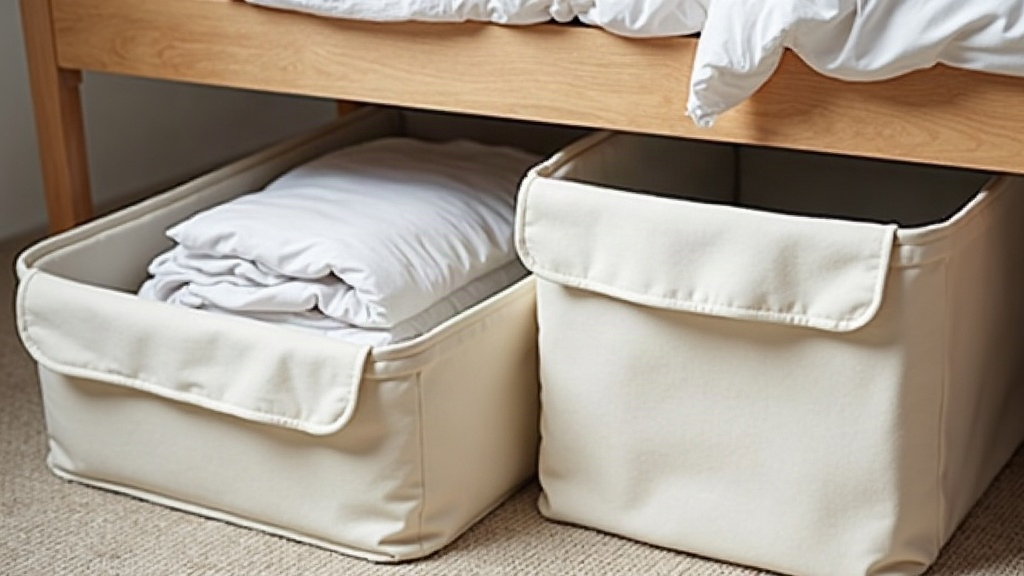
If you’re stuck deciding between vacuum storage bags and canvas bins for the linens hiding under your low bed, here’s the quick version: vacuum bags win when space is tight and you rarely touch the stuff inside. Canvas bins win when you need to breathe life into fabric and grab things on a regular basis. Which one actually works for you comes down to three things: how often you dig through that storage, how much clearance your bed frame gives you, and what kind of linens you’re dealing with.
Why Under-Bed Storage Is Tricky
Low beds, especially platform styles with just 4 to 7 inches of clearance, box you into a narrow set of choices. Whatever you use has to check three boxes at once:
- Flat enough to slide under without scraping the frame
- Sturdy enough to pull out without collapsing halfway
- Protective enough to keep dust, moisture, and pests off your fabric
This is exactly where the vacuum bag vs. canvas bin question stops being abstract and starts mattering for your Tuesday afternoon linen closet reshuffle.
Vacuum Storage Bags: Best for Space and Long-Term Dormancy
Vacuum bags rely on a valve hooked up to your vacuum cleaner. Suck the air out, and a bulky comforter or winter blanket shrinks down to a fraction of its size, sometimes flat enough to look like a pancake.
Pros:
- Cuts bulk by 50 to 80 percent, which matters a lot if your bed only gives you 4 or 5 inches to work with
- The airtight seal keeps out moisture, dust mites, and insects, a real plus in humid climates or homes that have dealt with pests before
- Clear plastic means you can eyeball what’s inside without cracking it open
Cons:
- Zero breathability. Wool or down items left sealed for more than 6 to 8 months without airing out tend to pick up a musty smell
- Seals wear down over time, and cheaper bags puncture easily against rough bed slats or splintered frames
- A poor fit for anything you need often, since resealing every time gets old fast
Best for: seasonal duvets, spare pillows, guest bedding you pull out maybe twice a year, and households fighting moths or dust allergies.
Canvas Bins: Best for Breathability and Frequent Access
Canvas bins, usually built with reinforced frames, handles, and sometimes a clear window in the lid, hold their shape and let fabric breathe the way it’s supposed to.
Pros:
- Fabric stays breathable, which cuts down on musty odors and keeps cotton or linen sheets in good shape for years
- Fast access. No vacuuming, no resealing, just lift the lid and grab what you need
- Handles better with repeated use, and the built-in handles make sliding in and out of tight spaces on carpet or hardwood much easier
- Most stack, so two bins can share the same footprint one vacuum bag would take up
Cons:
- Bulkier than compressed vacuum bags, so if your clearance is under 6 inches, this might not fit
- Offers less defense against moisture and bugs unless you toss in cedar blocks or lavender sachets
- Cheaper canvas models can sag or go shapeless after months of daily use
Best for: everyday sheet sets, pillowcases, and towels you rotate through the seasons but still want within easy reach.
Side-by-Side Comparison
| Feature | Vacuum Bags | Canvas Bins |
|---|---|---|
| Space savings | Excellent | Moderate |
| Breathability | Poor | Excellent |
| Access frequency | Low (occasional) | High (frequent) |
| Pest/moisture protection | Excellent | Fair (needs added sachets) |
| Best clearance height | 4-6 inches | 6-9 inches |
| Long-term fabric health | Risk of odor if unaired | Naturally preserved |
A Practical Hybrid Approach
Plenty of organized households just use both. Vacuum bags handle the rarely-touched seasonal stuff (think winter comforters or holiday linens), and canvas bins take care of the sheets and towels in weekly rotation. You get the compressed space savings where it counts, without sacrificing quick access to the things you actually reach for every week.
Tips Regardless of Which You Choose
- Wash everything before it goes into storage. Trapped dirt and body oils attract pests and can yellow fabric over time.
- Toss in cedar blocks or silica gel packets, whichever system you choose, to keep moisture in check.
- If storing vacuum bags for longer than a year, check on them every few months and give natural fibers a quick breather.
- Measure your actual under-bed clearance before you buy anything. Canvas bins generally need at least 6 inches, while a flattened vacuum bag can squeeze into as little as 4.
Conclusion
When it comes to storing linens under a low bed for the long haul, vacuum bags are the space champions for seasonal, rarely-used bedding, and canvas bins are the smarter everyday pick for breathability and quick grabs. Check your bed’s clearance, think honestly about how often you’ll need what’s inside, and factor in your local humidity. Or just do what a lot of people do and run both systems side by side, one for the spare pillows gathering dust, one for the sheets you’ll swap out again next Sunday.