Fix Collapsing Fabric Closet Organizers Storing Heavy Sweaters
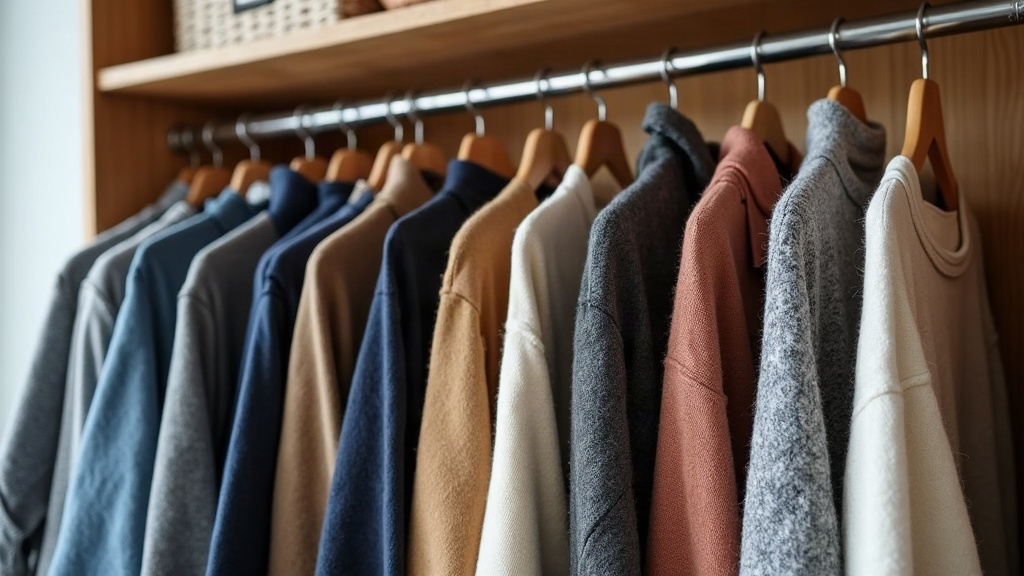
If your fabric closet organizer is sagging, bowing, or just giving up entirely under the weight of your winter sweaters, you’re not alone. This is one of the most common complaints in cold-weather households once the heavy knits come out of storage. The good news? It’s almost always fixable with some load redistribution, a bit of structural reinforcement, and smarter folding habits.
Why Fabric Closet Organizers Collapse Under Sweaters
Most fabric organizers were built with t-shirts, folded jeans, or accessories in mind, not dense wool knitwear. Here’s what’s actually going on when shelves start to fail:
- Thin shelf supports. A lot of budget organizers rely on hollow plastic tubes or thin wire frames that flex once you load 5-8 lbs onto a shelf. Problem is, a stack of wool or cashmere sweaters can hit 10-15 lbs without much effort.
- Fabric sagging, not just frame failure. The canvas or polyester liner stretches with use, forming a “hammock” dip that pulls the side supports inward, bit by bit.
- Uneven weight distribution. Pile all your heavy sweaters onto one or two shelves instead of spreading them out, and you’re concentrating stress exactly where the structure is weakest.
- Weak connector points. The plastic clips or snap connectors joining horizontal shelves to vertical poles are usually the first casualty. They crack or pop loose long before the fabric itself gives.
- Overloading beyond rated capacity. Check the box or tag and you’ll often find a per-shelf weight limit, commonly 10-20 lbs. Bulky knits blow past that number faster than you’d think.
How to Diagnose the Real Problem
Before you start reinforcing anything, figure out where the failure actually begins:
- Check the corners first. Shelf dips in the middle but corners still hold firm? That’s a fabric-sagging issue, not a structural one.
- Check the connectors. If the whole shelf tilts, or one side sits noticeably lower than the other, a joint or clip has likely snapped.
- Check the vertical poles. If the entire unit leans to one side, the frame itself may be bowing under the total top-heavy load.
Fixes That Actually Work
1. Add Support Boards
Cut thin plywood, foam board, or even sturdy cardboard to match the shelf dimensions, then slide it under the fabric liner. This one trick solves most sagging problems, since it spreads weight across the whole shelf instead of letting fabric stretch at a few pressure points.
2. Redistribute Weight by Shelf
Don’t pile all your heavy sweaters in one place. Spread 2-3 sweaters per shelf across multiple levels rather than stacking 8-10 on a single one. And put the heaviest pieces, wool, cable-knit, anything chunky, on the lowest shelves. That lowers the unit’s center of gravity and cuts the risk of the whole thing tipping forward.
3. Reinforce Connector Joints
- Dab a small amount of strong adhesive (E6000 or similar) onto cracked plastic clips.
- Replace snapped connectors with zip ties threaded through the existing holes. Not pretty, but sturdy enough to hold for months.
- On wire-frame units, add a dot of hot glue at the stress points to stop cracks from spreading further.
4. Fold Sweaters to Reduce Bulk and Weight Concentration
- Try the KonMari fold-and-stand method instead of flat stacking. It spreads weight more evenly and avoids the “brick stack” effect that crushes shelves from the top down.
- Keep stacks to 3-4 sweaters max per pile.
- Use thin dividers (repurposed magazine files work fine) to split one tall stack into several smaller columns.
5. Switch Load-Bearing Shelves to Hard Materials
Still have one or two shelves intact? Reserve those, usually the top or more reinforced levels, for your heaviest sweaters, and shift lightweight items like scarves or t-shirts down to the flimsier shelves.
When to Replace Instead of Repair
If you find yourself troubleshooting the same organizer every single season, it might just be time to upgrade:
- Look for units with steel tube frames rated for 20+ lbs per shelf.
- Pick organizers with solid or semi-rigid shelf inserts instead of pure fabric construction.
- Or go hybrid: keep the fabric organizer around for off-season or lightweight storage, and move your heavy sweaters onto a closet shelf with wood or wire shelving built for knitwear.
Preventing Future Collapses
- Rotate sweaters seasonally so no single shelf stays permanently overloaded.
- Store your heaviest knits (alpaca, wool blends) in bins rather than on open shelving.
- Check connector joints every few months. Catching a hairline crack early is a lot easier than dealing with a full collapse later.
Conclusion
A collapsing fabric closet organizer doesn’t mean it’s trash. In most cases, it’s just a combination of weak supports, uneven weight distribution, and worn-out connectors, all things you can fix. Add support boards, spread your sweaters across shelves, reinforce the joints, and you’ll stretch the organizer’s life considerably. But if it keeps failing no matter what you try, take that as your cue: invest in a frame actually built for heavy, bulky winter clothing.