Over-the-Toilet Storage vs. Floating Shelves for Micro Bathrooms
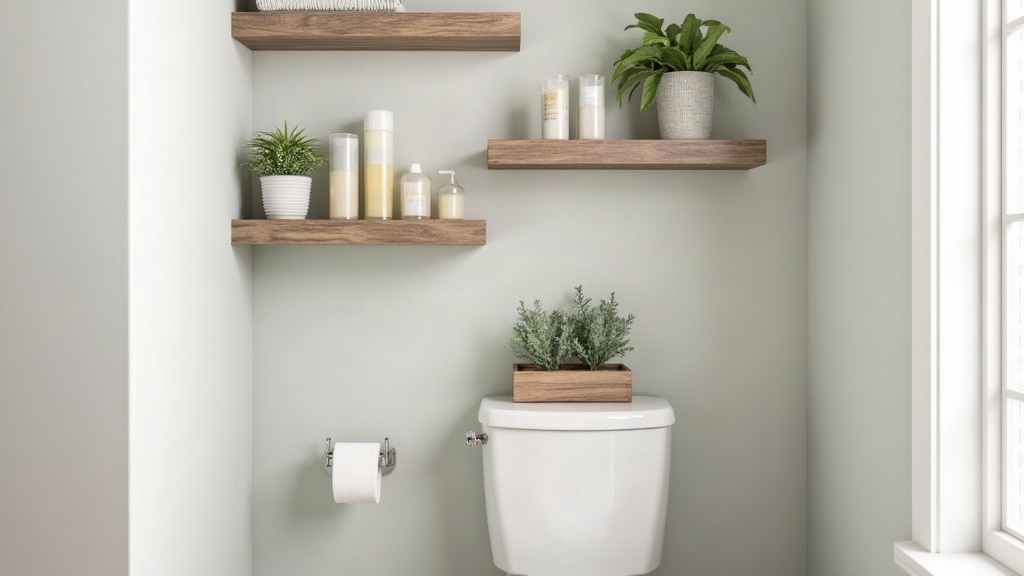
If you’re working with a micro bathroom, the battle between over-the-toilet storage units and floating shelves is one of the most practical decisions you’ll make. Short answer: over-the-toilet storage wins when you need to maximize enclosed storage in a tight footprint, while floating shelves win on visual openness and flexibility. Which one actually fits your space comes down to your bathroom’s height, width, and how much you’re willing to display versus tuck away.
Why This Decision Matters in Small Spaces
In a micro bathroom, often under 40 square feet, every vertical inch counts. The wall above the toilet is usually the only “dead zone” left for storage, since floor space is too precious for freestanding furniture. Pick the wrong storage style and an already cramped room starts to feel cluttered fast. Pick the right one and you gain functional square footage without touching the floor plan at all.
Over-the-Toilet Storage: Pros and Cons
Over-the-toilet units (sometimes called toilet étagères or ladder-style cabinets) sit right above the tank, claiming a footprint you weren’t using anyway.
Pros:
- Maximizes enclosed storage. Cabinets and doors hide toiletries, cleaning supplies, extra towels, whatever you’d rather not see every morning.
- No wall drilling required on many freestanding models. Good news if you’re renting.
- Vertical efficiency. Some units climb 5-6 feet tall, stacking two or three storage tiers.
- Doubles as a towel bar on plenty of designs, so you get extra function without buying extra hardware.
Cons:
- Feels bulky fast in bathrooms narrower than 30 inches around the toilet.
- Freestanding versions can wobble, especially tall, top-heavy ones.
- Doors and drawers add visual weight, which can box in a tiny room.
- Can block easy access to the tank lid for maintenance if it wasn’t designed with that in mind.
Floating Shelves: Pros and Cons
Floating shelves are wall-mounted, open surfaces that create the illusion of more space by keeping the floor and lower walls visually clear.
Pros:
- Creates an airy feel. Open shelving doesn’t block sightlines the way a cabinet door does.
- Highly customizable placement. Above the toilet, beside the vanity, tucked into that one awkward corner, wherever works.
- Lightweight and affordable. Most run $15-$40 per shelf, compared to $80-$200+ for a full storage unit.
- Easy to clean. No doors, no hinges, no hidden corners collecting grime.
Cons:
- Everything’s on display, so clutter or a mismatched shampoo bottle shows immediately.
- Not great for hiding cleaning supplies or the less photogenic necessities.
- Needs anchoring into studs or heavy-duty drywall anchors, since safety matters near a high-traffic spot.
Which One Fits Your Bathroom?
Ask yourself a few questions:
- Is your bathroom narrower than 32 inches at the toilet? Go with floating shelves. A bulky cabinet there can make it genuinely hard to move around.
- Do you need to hide items like extra toilet paper or cleaning sprays? Over-the-toilet storage with doors is the better pick.
- Is your ceiling under 8 feet? A tall étagère can feel oppressive in that case. Two or three floating shelves, spaced apart, read as lighter.
- Are you renting? Freestanding over-the-toilet units skip the wall damage; shelves usually mean drilling.
A Hybrid Approach
Plenty of small-bathroom designers just combine both: a slim floating shelf for decorative pieces (a candle, a small plant, a stack of folded washcloths) paired with a narrow over-the-toilet cabinet for the stuff you’d rather not show. You get visual breathing room and practical storage at the same time, without betting everything on one approach.
Styling Tips for Either Option
- Use matching baskets or bins on open shelves to unify the look and hide small clutter.
- Stick to light wood tones or white finishes to keep the space feeling bright.
- Cap floating shelves at 2-3 tiers. Any more and a micro bathroom starts to feel crowded.
- Planning an over-the-toilet unit? Measure the tank-to-ceiling height first. Most units need at least 60 inches of clearance to fit.
Conclusion
In a micro bathroom, over-the-toilet storage gives you more enclosed capacity and hides the clutter, while floating shelves keep the room feeling open and cost a lot less. Still torn? A hybrid setup, one shelf plus a slim cabinet, usually gives you the best of both. Measure your space, be honest about what needs to disappear versus what you’re happy to show off, and pick whichever option keeps your tiny bathroom functional and calm to look at.