Organizing Craft Supplies in a Shared Living Room
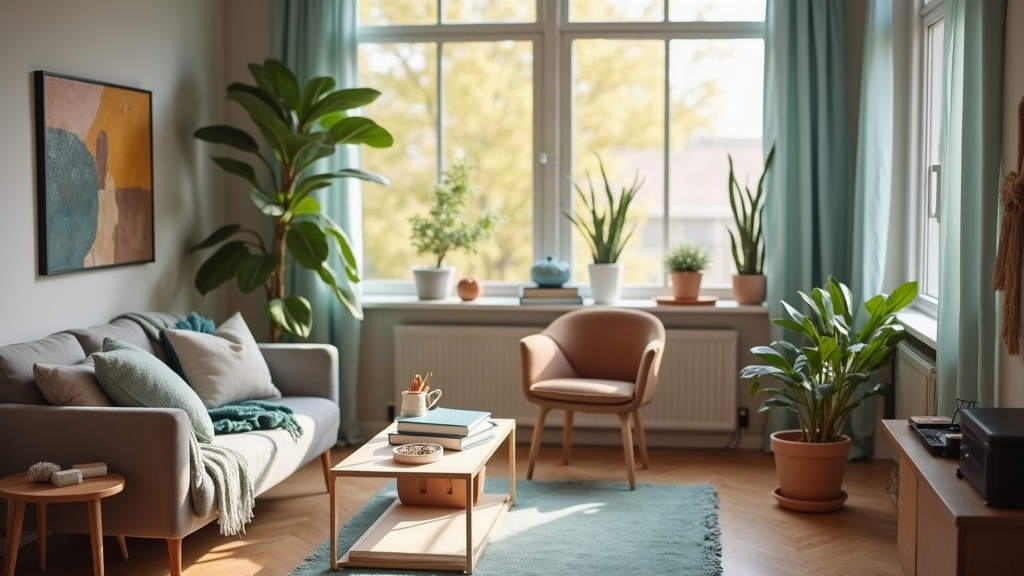
Organizing craft supplies in a shared living room, without a desk to call your own, is completely doable once you stop thinking of your setup as fixed. Combine mobile storage, vertical space, and a quick pack-up habit, and your hobby stops competing with the household’s main hangout spot. The trick: everything should have a hiding place when you’re not using it, and come together fast when you are.
Why a Shared Living Room Is Actually Workable
No dedicated craft room sounds limiting at first, but a living room has real perks: good light, comfortable seating, and usually the biggest flat surfaces in the house (coffee table, dining table, maybe an ottoman). Space isn’t really the problem. Coexistence is. Your supplies have to stay contained enough that they don’t fight with a room people also use to relax, watch TV, or host friends on a Friday night.
Start With a “Craft Command Center” That Moves
Instead of locking your supplies to one corner, build a base that travels with you:
- Rolling cart with drawers - A 3-4 tier cart (think Elfa, or the IKEA Raskog-style ones) can hold paints, glue, scissors, and small tools. Roll it over to the coffee table when you’re working, then park it next to the sofa or in a closet when you’re done.
- Craft caddy or tote with a handle - For lighter hobbies like knitting, cardmaking, or embroidery, one lidded caddy keeps everything grab-and-go. You pick it up, you sit down, you’re working within a minute.
- Storage ottoman - It’s extra seating for guests, and it quietly swallows bulkier items like fabric, yarn, or scrapbook paper.
The point of all this mobility: your “desk” becomes whatever surface happens to be free that day, coffee table, lap desk, dining table, without ever permanently claiming it.
Use Vertical and Underused Space
When floor space is shared, walls and furniture gaps turn into your best allies:
- Wall-mounted pegboard tucked behind a sofa or in a corner nook can hold scissors, tape, ribbon spools, small jars.
- Over-the-door organizers on a nearby closet or entry door are great for flat items: stencils, stickers, sheets of paper.
- Floating shelves above a console table let you display supplies in labeled bins, still within reach but out of the way.
- Behind-the-couch console table with baskets underneath is one of those spots most people forget exists. It’s practically made for stealth storage.
Contain by Category, Not by Project
Skip the one giant “craft stuff” bin. Sort by type instead:
- Cutting tools (scissors, craft knives, rulers)
- Adhesives (glue sticks, tape, adhesive dots)
- Coloring supplies (markers, pencils, paint)
- Paper and fabric
- Small embellishments (beads, buttons, stickers)
Clear stackable bins, or shoebox-sized containers with lids, work best. You can scan them at a glance, and they slide easily into a cart drawer or under an ottoman lid.
Protect the Shared Space
Since the room belongs to more than just you, a few simple safeguards go a long way:
- A washable table runner or silicone mat saves the coffee table from glue, paint, or an accidental brush with a hot glue gun.
- A felt or cork mat under your work area cuts down noise and catches stray glitter, beads, or pins before they vanish into the couch cushions.
- A lidded trash caddy for scraps speeds up cleanup. Aim for a 5-minute reset before guests, or the rest of the family, take the room back.
Build a 5-Minute Pack-Up Routine
Honestly, the real secret isn’t the storage system at all. It’s the habit.
- Wipe down the work surface.
- Return tools to their designated bin.
- Roll the cart back, or set the caddy in its home spot.
- Do a quick floor check for stray beads, pins, or clippings.
Do this every single session and you avoid “craft creep,” that slow takeover where a living room quietly turns into a permanent mess. It’s the number one complaint from anyone sharing space with a hobbyist.
Quick Setup Ideas by Hobby
- Sewing/embroidery: Rolling cart, magnetic pin cushion, collapsible thread organizer.
- Painting: Silicone mat, plus a caddy with brushes, a water cup, and paper towels.
- Paper crafts/scrapbooking: Flat file box for paper, rolling cart for tools, wall pegboard for scissors and tape.
- Knitting/crochet: Yarn bowl, tote bag, small basket for needles and patterns.
Conclusion
You don’t need a dedicated desk or a spare room to keep your craft habit under control. What you need is mobility, clear categories, and a daily reset that takes less time than boiling an egg. A rolling cart, some smart vertical storage, and a consistent pack-up routine let your supplies live peacefully alongside a shared living room, so the space still works for everyone, and your creativity still has somewhere to grow.