How to Conceal Large Dog Toy Bins in a Studio Apartment Living Room
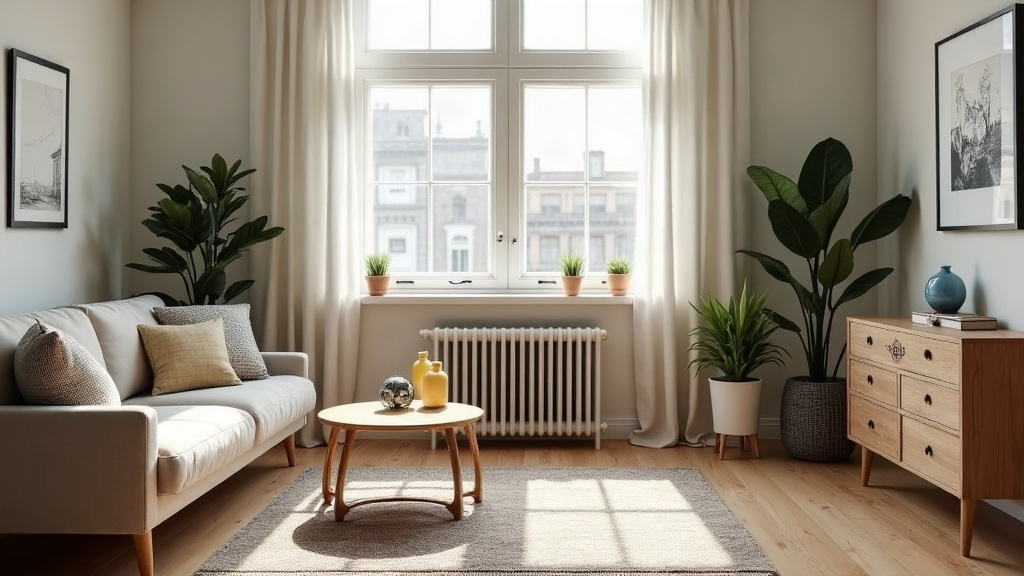
Why Toy Bins Become a Studio Apartment Problem
In a studio, your living room usually moonlights as your bedroom, office, and dining nook all at once. Toss a big plastic bin into that mix and it fights for attention with everything else in the room, making 400 square feet feel like 250. The fix isn’t getting rid of the toys (your dog would have opinions about that). It’s finding a way to store them so they blend into the room instead of announcing themselves the second someone walks in.
Best Furniture Solutions to Hide Dog Toy Bins
1. Storage Ottomans and Benches
A cushioned ottoman with a lift-top lid might be the single best disguise you can buy. It pulls triple duty:
- Extra seating when friends come over
- A coffee table topper once you set a tray on it
- A footrest that happens to be full of squeaky toys underneath
Just make sure you get one with a wide, sturdy base. A flimsy ottoman stuffed with a dozen chew toys and a rope tends to sag in the middle within a few months.
2. TV Console with Concealed Cabinets
Already own a media console? Claim one cabinet section for toys and stop pretending it’s for DVDs you never watch anymore. Drop a soft fabric bin inside so things don’t roll around loose, and shut the doors when company’s coming. Nobody needs to know there’s a half-chewed tennis ball collection three feet from the TV.
3. Slim Console Tables with Baskets
A narrow console table against a wall, with two or three woven baskets tucked underneath, reads like something out of a boutique hotel lobby. Bonus: it sits at nose height for most dogs, so your pup can wander over and pick their own toy without any help from you.
4. Under-Sofa Storage Drawers
A lot of newer sofas come with rolling drawers built into the base, and if yours doesn’t, you can often retrofit one. This is about as invisible as storage gets. Toys vanish until it’s playtime, then slide right back out.
5. Decorative Trunks
An old-fashioned trunk by the window, or doing double duty as a side table, adds personality to a room while quietly swallowing up an entire toy collection. It’s the kind of piece that looks intentional even when its real job is hiding rawhide bones.
Style Tricks That Make Storage Disappear
- Match fabric to your color palette. Pick ottomans or bins in cream, charcoal, or tan so they sit quietly next to your sofa and rug instead of shouting for attention.
- Go lidded, not open. An open bin basically screams “clutter here.” A lidded one just looks like furniture, even if it’s crammed to the brim.
- One bin per zone, not one giant bin. Split the toy stash into two smaller, matching baskets rather than a single overflowing crate. It looks more curated, and honestly it’s easier for your dog to rummage through too.
- Rotate what’s out. Stash half the toys in a closet and swap them in weekly. The visible bin stays smaller, and your dog acts like each “new” toy is a surprise gift, even the one they’ve had since puppyhood.
Keeping Toys Accessible for Your Dog
Hiding the mess is great, until your dog can’t actually get to their own stuff. A few things to keep in mind:
- Skip bins with heavy lids your dog can’t nudge open on their own. Dogs like picking their own toy, not waiting for you to play concierge.
- Put the storage piece somewhere your dog already hangs out, like next to their bed or favorite window spot.
- If you’re using a cabinet, leave the door cracked or install a soft-touch magnetic latch that pops open with a light paw tap or nose bump.
Quick Checklist for Studio Apartment Dog Owners
- Choose one multi-functional furniture piece (ottoman, console, or trunk)
- Match bin/basket color to your existing decor
- Split toys into two manageable containers instead of one large bin
- Rotate toys weekly to reduce visible clutter
- Test accessibility: can your dog actually open it themselves?
Final Thoughts
Hiding a big dog toy stash in a studio apartment doesn’t call for a renovation or a trip to a home organizing store’s clearance rack. It just takes furniture that works twice as hard: an ottoman, a repurposed cabinet, an old trunk with some character. Any of these can turn a chaotic pile of squeaky toys into something that looks like it belongs there. Small-space living and a spoiled, happy dog really can share the same room, you just have to be a little clever about where the tennis balls live.