Keeping Dust Off Open-Shelf Dinnerware in a Studio Kitchen
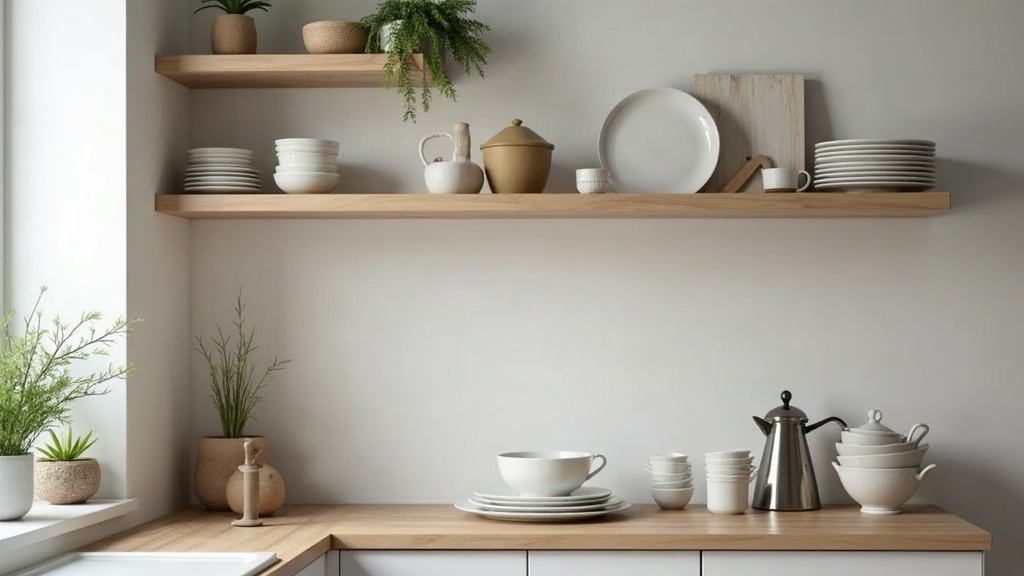
Open shelving looks great in a studio apartment kitchen, but let’s be honest: it’s a dust trap. Especially when that same kitchen doubles as your living room, hallway, and dining nook all at once. The good news is that with smart shelf placement, a couple of protective habits, and a quick weekly routine, you can keep your plates, bowls, and mugs clean and ready to use without rewashing everything before every meal.
Why Open Shelves Collect Dust So Fast in Studios
In a studio, the kitchen isn’t tucked behind a door. It shares airflow with your bed, your couch, even your closet. A few things happen because of that:
- More foot traffic kicks up dust, fabric fibers, and pet hair that eventually drift onto exposed surfaces.
- Cooking residue (oil splatter, flour dust, steam) spreads further since there’s no wall separating cooking from living.
- No cabinet doors means nothing’s stopping airborne particles from landing right on your dishes.
Once you see where the dust is actually coming from, you stop wiping shelves reactively and start fixing the source.
Smart Shelf Placement Matters
Before you touch your cleaning routine, take a hard look at where your shelves actually sit:
- Keep shelves away from the stove. Grease and flour dust travel in a surprisingly wide radius while you cook. Even 2-3 extra feet of distance makes a real difference.
- Avoid direct airflow paths. A shelf sitting right under an air vent, a ceiling fan, or near a window you open often will collect dust noticeably faster than one tucked out of the breeze.
- Put daily-use items at eye level, rarely-used pieces up top. Dishes you handle constantly get wiped clean just by being used. It’s that forgotten top shelf of “good china” that quietly turns gray.
Protective Habits That Actually Work
1. Stack Smart, Not Just Neat
Store plates face-down or nested so dust lands on the bottom of a dish, not the surface you’ll actually eat off. Same logic for bowls and mugs: flip them upside down when you can.
2. Use Shelf Liners or Trays
A washable liner (cork, bamboo, or a simple wipeable mat) catches fine dust and crumbs before they ever touch your dishware. Trays help too: pull the whole thing off in one go for a wipe-down instead of handling six mugs one by one.
3. Group by Usage Frequency
Keep a small cluster of 4-6 pieces near the front for daily rotation. Those rarely gather dust because they’re basically always in your hands. Push the extras, the serving platters you use twice a year, the holiday mugs, further back behind the daily stack.
4. Add a Light Barrier
A folded tea towel, a tiny curtain on a tension rod, even a glass-front insert on just the top shelf can cut dust buildup dramatically, and you still keep the open-shelf look everywhere else.
A Simple Weekly Maintenance Routine
No need to deep-clean every shelf every day. A short, consistent rhythm beats a big scrub-down once a month.
- Quick dry dust (2x/week): A microfiber cloth or soft brush whisks away surface dust before it mixes with grease and gets sticky.
- Wipe-down (1x/week): A damp microfiber cloth with a drop of dish soap handles the light grease film that settles on the stove-facing side.
- Full rinse (as needed): If a dish has sat untouched for a week or two, rinse it before using, even if it looks clean. Fine dust doesn’t always show.
Quick Fixes for Common Problems
- Dishes near the window feel gritty: Swap that one shelf for a closed cabinet, or just move the dishes away from the window entirely.
- Greasy film keeps coming back despite cleaning: Install a slim range hood, or move the stove-adjacent shelf a bit further away.
- Decorative pieces keep gathering dust: Put them into actual rotation now and then. Dishes in circulation stay cleaner than anything left sitting as a permanent display.
Conclusion
Open shelving in a studio kitchen doesn’t have to mean dusty dishes forever. Place your shelves with intention, stack dishware so less surface is exposed, and stick to a light, consistent cleaning rhythm, and you get to keep the airy, open look without sacrificing hygiene. Small adjustments, but in a compact space, they add up fast.